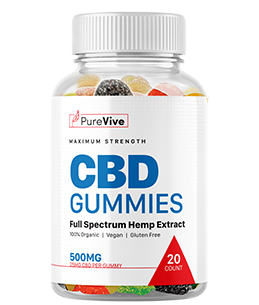
A useful supplement routine begins with clear goals, careful observation, and respect for what a product can and cannot do. CBD is one optional wellness tool, not a shortcut around sleep, medical care, or sustainable daily habits.
01Define a modest, personal goal
Before trying a gummy, decide what place you expect it to have in your routine. A reasonable goal might be creating a consistent signal that the workday is over or adding structure to an evening wind-down. Avoid goals that depend on a supplement curing a condition, eliminating symptoms, or replacing treatment. Those expectations go beyond what a retail CBD product can responsibly promise.
Write down the surrounding habits that may influence your experience. Bedtime, caffeine, exercise, meals, alcohol, stress, and screen use can all affect how you feel. If several things change at once, it becomes difficult to know what mattered. Keeping the goal narrow helps you evaluate the routine with less bias and reduces the temptation to interpret every normal fluctuation as a product effect.
02Look for patterns, not instant proof
Wellness experiences are subjective and can change from day to day. Expectations, schedule changes, and natural variation may influence how a person describes calm, comfort, or sleep. One especially good or difficult evening does not demonstrate that a gummy caused the result. Instead, observe the wider pattern while continuing the basics that support health.
If you choose to keep notes, make them simple. Record when the labeled serving was used, major routine changes, how you felt, and any unwanted effect. Do not increase the serving merely because a result is not immediate. Follow the label, allow appropriate time, and speak with a qualified professional if you are unsure. Stop using the product when drawbacks outweigh any perceived benefit.
03Keep sleep foundations in place
Restful sleep depends on more than a supplement. A regular wake time, a dark and comfortable room, appropriate daytime activity, reduced late caffeine, and a predictable wind-down can all support better sleep opportunity. Stress, pain, breathing problems, medication effects, menopause, and many medical conditions can disrupt sleep and may need professional evaluation.
Do not use CBD to ignore persistent insomnia, loud snoring with pauses in breathing, severe daytime sleepiness, or sudden changes in sleep. Those concerns deserve clinical attention. If a gummy makes you drowsy, avoid driving, cooking over open heat, or doing anything that requires rapid judgment. Combining CBD with alcohol, sedatives, or sleep medicines may increase impairment and should be discussed with a professional.
04Know when to pause and ask
More is not necessarily better. Stop and seek advice if you develop persistent digestive symptoms, excessive drowsiness, mood changes, rash, or another concerning response. Get urgent help for breathing difficulty, facial swelling, fainting, severe confusion, or suspected accidental ingestion by a child or pet. Keep the packaging available so professionals can review the listed ingredients and amount.
Revisit your decision whenever medication changes, surgery is scheduled, pregnancy occurs, or a new health condition is diagnosed. A pharmacist can be especially helpful when checking drug interactions. Responsible use means being willing to pause, gather better information, and decide that a product may not be right for you. That is good judgment, not a failed wellness experiment.

.png)